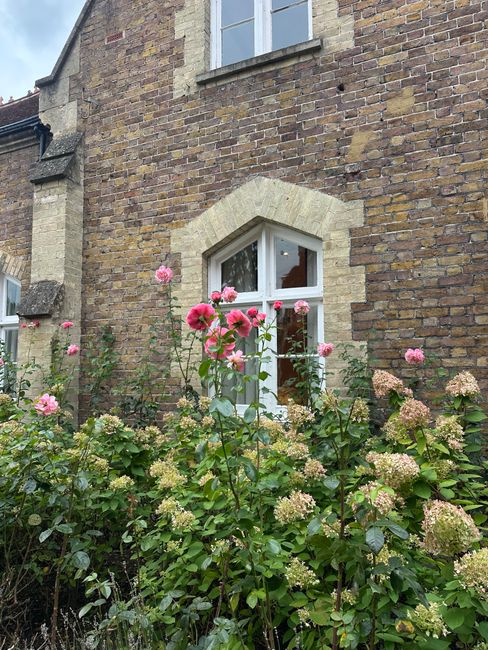
Best gardeners for Bath Road gardens Cranford before and after
If you are searching for the Best gardeners for Bath Road gardens Cranford before and after, you are probably looking for more than a tidy lawn. You want a garden that looks better in the morning light, feels easier to live with, and shows a clear before-and-after transformation without the whole thing turning into a drawn-out headache. Fair enough. Bath Road gardens can vary a lot in size, shape, shade, and how much wear they have taken over time, so choosing the right gardener matters more than people think.
This guide walks through what a before-and-after garden improvement actually involves, how to judge a good local gardener, which services usually make the biggest difference, and what to expect from the process. It is written to help you make a sensible decision, whether your garden has become overgrown, patchy, neglected, or just a bit too ordinary for your taste. And yes, we will keep it practical.
For readers who want to understand the wider service offering first, it can help to browse the services overview and see how different jobs fit together. Sometimes the best results come from combining a few modest improvements rather than chasing one dramatic fix. That is usually the honest answer, anyway.
Table of Contents
- Why Best gardeners for Bath Road gardens Cranford before and after Matters
- How Best gardeners for Bath Road gardens Cranford before and after Works
- Key Benefits and Practical Advantages
- Who This Is For and When It Makes Sense
- Step-by-Step Guidance
- Expert Tips for Better Results
- Common Mistakes to Avoid
- Tools, Resources and Recommendations
- Law, Compliance, Standards, or Best Practice
- Options, Methods, or Comparison Table
- Case Study or Real-World Example
- Practical Checklist
- Conclusion
- Frequently Asked Questions
Why Best gardeners for Bath Road gardens Cranford before and after Matters
Before-and-after gardening is not just about a nice photo. It is about changing how a space works day to day. A garden that is overgrown, uneven, or underused can feel smaller than it really is. Once the right work is done, the same space often looks brighter, calmer, and oddly more expensive, even if the changes were mostly practical. That is the real value.
On Bath Road, gardens may sit beside busy streets, older properties, newer homes, or mixed-use spaces, and each one brings different challenges. Some need a complete reset after months of neglect. Others only need sharper structure: cleaner edges, healthier turf, better planting, and perhaps a smarter layout around paths or seating. The best gardeners understand that a "before and after" project is about restoring order before they start adding polish.
There is also the confidence factor. When you can clearly see the difference between where the garden started and where it ends up, it becomes much easier to judge value. You are not paying for vague effort; you are paying for visible change. That sounds obvious, but in the real world it makes a huge difference when comparing local services.
If the garden is in a rough state, a focused garden clearance is often the first stage. If the area needs ongoing attention after the transformation, regular garden maintenance usually helps hold the result together. Without maintenance, even the neatest makeover starts slipping back faster than most people expect. Nature does not really care about your weekend plans, unfortunately.
How Best gardeners for Bath Road gardens Cranford before and after Works
A proper before-and-after project usually starts with assessment, not tools. Good gardeners look at what is growing, what is failing, what can be revived, and what should simply be removed. They will also think about light, drainage, access, boundaries, and how the garden is meant to be used. A family garden, for example, needs different priorities from a low-maintenance rental property or a front garden designed for kerb appeal.
The process often moves through a few stages:
- Initial review - the gardener walks through the space, identifies problem areas, and agrees the priority list.
- Clear and reset - overgrowth, waste, dead material, and awkward debris are removed.
- Structural work - edges, hedges, trees, lawns, borders, or hard landscaping elements are corrected.
- Refinement - the finish is improved through tidy cuts, shaping, planting, or surface work.
- Aftercare - a maintenance plan is set so the improvements do not fade away too quickly.
For some properties, the strongest results come from combining soft landscaping with practical cleanup. That might include hedge shaping, lawn renewal, and better border definition. In other cases, the main transformation comes from one or two heavy-duty jobs, such as tree reduction or a complete clearance followed by new planting. The point is to match the method to the garden, not force the garden into a standard template.
Where larger trees are blocking light or creating too much shade, a service such as tree lopping and removal may be part of the plan. If the garden has tired surfaces, broken levels, or a layout that simply does not work, broader landscaping may be the smarter route. And if you want the garden to feel designed rather than merely tidied, landscape gardening brings the creative side into the picture too.
Key Benefits and Practical Advantages
The benefits of choosing the right gardener for a Bath Road before-and-after project go beyond appearance. You should expect practical gains too, and those matter just as much.
- Better use of space: Even a small garden can feel more open once the clutter, dead material, and uneven growth are removed.
- Easier upkeep: Tidy structure, cleaner borders, and sensible planting usually mean less work later on.
- Improved light and airflow: Cutting back hedges and managing tree growth can change how the whole garden feels.
- Healthier planting: Removing diseased, congested, or exhausted material can improve the chances of stronger regrowth.
- Better kerb appeal: Useful if you are preparing a property for visitors, tenants, or sale.
- Safer access: Clearing trip hazards, overhangs, and awkward branches makes a real difference in day-to-day use.
There is also a psychological benefit, which people sometimes underestimate. Looking out at a messy or neglected garden can feel like one more thing on an already long to-do list. After a proper transformation, the space feels lighter. You stop avoiding it. You start using it. That shift matters, especially in the British climate where a usable outdoor space can be precious on those rare bright weekends.
If your project includes regular mowing as part of the maintenance phase, lawn mowing becomes a quiet but important detail. A good cut at the right frequency is often the difference between a garden that looks "done" and one that looks a bit half-finished. Small thing. Big effect.
Who This Is For and When It Makes Sense
This kind of garden service suits a lot of people, but not for the same reason. Some want a total reset after years of neglect. Others just need the garden to stop looking scruffy. In our experience, the strongest demand usually comes from a few typical situations.
- Homeowners preparing to sell: First impressions count, and a neat garden can strengthen the whole presentation.
- Busy families: People who want the space to look good without spending every Saturday chasing weeds.
- Landlords and letting managers: Gardens need to be safe, tidy, and manageable between tenancies.
- New residents: If you have just moved into a property on Bath Road and inherited a chaotic outdoor space, starting fresh can save a lot of stress.
- Older gardens with tired structure: Some gardens are not actually "bad"; they just need reshaping, repair, and better routine care.
It also makes sense when you can see specific warning signs. Hedges have swallowed paths. Borders have become a jungle. The lawn has more moss than grass. A tree is casting too much shade. Or perhaps the garden is not unsafe, just not enjoyable. That is enough reason. It really is.
If you are unsure whether your garden needs a light tidy or a bigger intervention, a good starting point is to compare your current state with the kind of finish you want. If the difference is mostly cosmetic, maintenance and selective pruning may be enough. If the space feels structurally wrong, a more ambitious plan is usually better.
Step-by-Step Guidance
Here is the simplest way to approach a before-and-after garden project without overcomplicating it.
- Define the outcome. Decide what matters most: more space, better structure, less maintenance, improved privacy, or a full visual refresh.
- Take honest photos. Before photos help you track change properly. Use daylight if you can. Morning light is often best because the garden is easier to read.
- List the problems by priority. For example: overgrown hedge, poor lawn condition, excess waste, weak planting, or awkward access.
- Request a clear scope. Ask what will be done, what will be removed, and what will be left for later.
- Choose the right service mix. A tidy front garden might need hedging and mowing. A neglected back garden may need clearance first, then planting or landscaping.
- Check the finish standards. Ask how edges will be cut, how waste will be handled, and whether the work includes final tidy-up.
- Plan aftercare immediately. Otherwise the lovely new look fades in no time at all.
In practice, the best projects are the ones that do not try to fix everything in one impossible visit. A garden that has been ignored for a while often responds better to staged work: clearance first, then shaping, then ongoing maintenance. That way the result looks intentional rather than rushed. Which, let's face it, is what most people want.
For anyone weighing up different kinds of improvement, it can help to think in layers. First the clean-up. Then the structure. Then the detail. Then the habits that keep it looking good. That simple sequence prevents wasted effort and odd-looking half-fixes.
Expert Tips for Better Results
A few small decisions make a surprisingly large difference to the final before-and-after result.
- Start with the boundaries. Hedges, fences, edges, and edges again. If the frame is neat, the rest of the garden looks better immediately.
- Do not overcut healthy growth. Some plants need shaping, not shaving. A good gardener knows the difference.
- Match the lawn treatment to the season. A lawn can look transformed after mowing, edging, and basic care, but it may need more help if it is compacted or patchy.
- Use waste removal sensibly. Clearing old material early prevents the garden from feeling stalled halfway through the job.
- Keep one focal point. A simple seating area, a clean border, or a smart planting bed can make the whole space feel considered.
- Think about maintenance from day one. A beautiful result is only useful if you can keep it.
One practical trick is to walk the garden after the main work is complete and look at it from the house, the path, and the far corner. A garden can feel finished from one angle and strangely unbalanced from another. That sounds fussy, maybe, but it is exactly where many mediocre jobs give themselves away.
If the project involves bigger structural changes, it is worth checking what sits beyond garden care alone. A refreshed patio edge, a new timber feature, or a clearer layout may be the missing piece. In some cases, decking services are the finishing touch that turns a tidy garden into a genuinely useful outdoor room.
Common Mistakes to Avoid
Gardens look simple from a distance. Up close, though, there are a few classic mistakes that can spoil a transformation.
- Chasing a "cheap tidy" with no plan. If the aim is a true before-and-after change, a vague quick cut is often disappointing.
- Ignoring the underlying cause. Overgrowth is usually a symptom of poor structure, poor timing, or neglected maintenance.
- Removing too much too fast. Yes, a heavy clear-out can be useful. But stripping everything can leave a garden exposed and awkward.
- Forgetting waste and disposal. The job is not really done if the cuttings stay piled in the corner all week.
- Picking style without function. A pretty layout that is hard to maintain will not stay pretty for long.
- Skipping the aftercare plan. This is the big one. Without follow-up, even strong work loses momentum.
There is also a habit some people have of asking for every possible service at once. That can be sensible, or it can become muddled. The better approach is to sort the work by outcome. If the lawn is the main issue, tackle that. If the boundary planting is the weak point, focus there. If everything is a mess, start with clearance and regroup. Simple, but not easy to hear when you are standing in a jungle of brambles.
Tools, Resources and Recommendations
You do not need to be a professional to understand the basics of a good before-and-after garden job, but knowing what a gardener may use helps you judge the quality of the work.
| Task | Typical tools or methods | What good results look like |
|---|---|---|
| Clearance | Hand tools, cutting equipment, waste bags, removal plan | Open access, visible structure, no leftover debris |
| Lawn care | Mower, edging tools, strimmer, raking, basic turf care | Even height, cleaner lines, healthier surface texture |
| Hedge work | Trimmers, secateurs, ladders or safe access equipment | Straight lines, balanced shape, no ragged finish |
| Tree work | Specialist pruning or removal methods, safe waste handling | Improved light, controlled shape, safer surroundings |
| Landscaping | Soil prep, edging, planting, surface work, layout design | Clear purpose, better flow, easier upkeep |
For many households, the most useful combination is not glamorous: clearance, hedge work, mowing, then a repeat maintenance schedule. That boring-sounding mix is often what keeps the garden looking consistently good. Glorious results tend to rest on dull discipline. Bit annoying, but true.
To support the work over time, the right maintenance rhythm matters as much as the initial makeover. If you want the improvement to last, regular hedge trimming and seasonal care should be part of the plan, not an afterthought.
Law, Compliance, Standards, or Best Practice
For most domestic gardens, the main concerns are safety, responsibility, and sensible working practice rather than complicated regulation. Still, good gardeners should operate with care. That means using equipment properly, managing waste responsibly, and avoiding unnecessary risk to people, pets, neighbours, and nearby property.
If a job involves trees, height work, heavy debris, or access near fences and boundaries, a cautious approach is essential. In practical terms, this means a proper site check, appropriate tools, and clear communication about what will be cut, moved, or removed. If something looks uncertain, it should be treated carefully. No heroics needed.
It is also sensible to ask about insurance and safety practices before work begins. Not because every job is dangerous, but because outdoor work often involves sharp tools, falling material, uneven ground, and public-facing access. A reputable provider should be comfortable discussing how they manage those risks. You can review relevant details in the company's insurance and safety information and its health and safety policy.
Waste handling should also be sensible and responsible. Cuttings, timber, soil, and green waste ought to be removed or processed in a way that avoids mess and unnecessary environmental strain. For people who care about that side of the job, the recycling and sustainability approach is worth checking. Good gardening is not just about what you grow; it is also about what you remove and how you handle it.
Finally, the practical basics still matter: clear terms, transparent pricing, and straightforward communication. If those parts are confusing, the job usually becomes confusing too. That tends to be how garden projects drift off course.
Options, Methods, or Comparison Table
Different gardens need different levels of intervention. Here is a simple comparison to help you decide which method fits your situation best.
| Approach | Best for | Typical outcome | Ongoing effort |
|---|---|---|---|
| Light tidy and maintenance | Gardens that are basically healthy but messy | Sharper appearance, easier upkeep | Low to moderate |
| Clearance plus reset | Overgrown or neglected gardens | Major visual change and restored access | Moderate |
| Structured landscaping | Gardens with layout problems or poor flow | More usable space and better design | Moderate to higher at first |
| Full transformation | Gardens needing both practical and aesthetic change | Strong before-and-after result | Depends on design and planting choices |
If you are unsure which route to choose, ask yourself one question: do you want the garden to look better, or do you want it to work better as well? The answer usually points to the right method. People sometimes try to solve a design problem with tidying alone. It can help, but only up to a point.
Case Study or Real-World Example
Imagine a Bath Road garden that had become a bit of a backlog project. The hedge was uneven, the lawn was tired, and the back corner had turned into a storage zone for old pots, cuttings, and one sad-looking chair that had clearly seen better days. Nothing dramatic. Just a space that had quietly gone downhill.
The first visit focused on clearance and structure. The gardener removed waste, cut back the hedge to restore shape, and opened up the centre of the garden so it could breathe again. Then came lawn recovery, border tidying, and a small amount of replanting where the beds had become bare. No magic wand, just sensible work.
What changed most was not one flashy feature. It was the way the garden started to read as a whole. The eye could move across the space without snagging on random clutter. The path felt wider. The light reached further. And the owner, who had been avoiding the garden for months, suddenly started using it again on a clear evening after work. That last bit is the real win, honestly.
The follow-up plan was simple: mowing at the right intervals, seasonal hedge care, and quick checks on the borders so weeds did not retake the space. A good before-and-after is never only about the "after." It is about keeping that feeling alive.
Practical Checklist
Use this checklist before you book or start any serious garden improvement work.
- Define the main outcome: tidy-up, clearance, full transformation, or ongoing maintenance.
- Take clear before photos from a few angles.
- List the most urgent problems first.
- Decide whether the job needs clearance, mowing, hedge work, tree work, or landscaping.
- Ask how waste will be removed and handled.
- Check that the gardener explains the finish standard clearly.
- Confirm whether aftercare or follow-up visits are recommended.
- Review safety, insurance, and working practices where relevant.
- Ask for transparent pricing and a clear scope.
- Plan how the result will be maintained after the initial job is done.
A small note here: if you already know the garden needs more than a tidy, do not sell yourself short by asking only for the cheapest quick fix. Sometimes the sensible choice is the one that saves time later.
Conclusion
Choosing the Best gardeners for Bath Road gardens Cranford before and after is really about finding someone who can see the garden as a whole: not just the weeds, not just the lawn, not just the mess. The best results come from a calm, structured approach that starts with clearance, follows with the right kind of improvement, and ends with a realistic plan to keep things looking good.
When the work is done well, you notice it immediately. The space feels larger. Cleaner. Easier. More like somewhere you want to step out into with a cup of tea rather than somewhere you keep promising to sort out next weekend. That difference is worth doing properly.
For a trusted next step, look at the service details, compare what your garden actually needs, and choose a team that is clear about process, safety, and aftercare. A good garden transformation should feel reassuring, not overwhelming.
Get a free quote today and see how much you can save.
Frequently Asked Questions
What does before and after gardening usually include?
It usually includes an initial tidy or clearance, followed by the practical work needed to improve the space, such as mowing, hedge cutting, pruning, planting, or landscaping. The exact mix depends on the garden's condition and the result you want.
How do I know if my Bath Road garden needs clearance or just maintenance?
If the garden is overgrown, cluttered, or hard to access, clearance is usually the starting point. If it is already fairly tidy but needs routine care, maintenance may be enough. A quick visual check often makes the answer obvious.
Can a small garden still have a noticeable before-and-after result?
Yes, absolutely. Small gardens often change dramatically when the edges are cleaned, the planting is simplified, and the layout is made more intentional. In small spaces, every inch counts, which sounds dramatic but is true.
What services make the biggest difference to the look of a garden?
Hedge trimming, lawn mowing, clearance, and boundary shaping usually create the fastest visual improvement. If the layout is poor or the space feels awkward, landscaping can make the bigger long-term difference.
How long does a garden transformation take?
That depends on size, condition, and the type of work involved. A straightforward tidy may be completed quickly, while a neglected or redesigned garden can take more time. A proper assessment is always the best way to judge this.
Will the gardener remove all waste?
They should explain this clearly before the job starts. Waste removal is often part of a proper service, especially for clearance and larger projects. It is worth confirming rather than assuming.
Is it better to do one big makeover or stage the work over time?
For many gardens, staging the work is the smarter choice. Clearance first, then structure, then finishing touches, then maintenance. It keeps the process manageable and usually produces a cleaner result.
Do I need hedge trimming every season?
Not always, but hedges often benefit from regular checks and seasonal trimming depending on the species and how quickly they grow. A good gardener can advise on the right rhythm for your garden.
What should I ask before booking a gardener?
Ask what is included, how waste is handled, what the finish will look like, whether insurance and safety practices are in place, and what aftercare is recommended. Clear answers are a good sign.
Can landscaping help if my garden looks tidy but still does not work well?
Yes. Landscaping is often the answer when the problem is not mess but layout. If the space feels awkward, uneven, or hard to use, design-led changes can make it much more practical.
How do I keep the result looking good after the work is finished?
Stick to a basic routine of mowing, hedge care, light weeding, and seasonal checks. A good maintenance plan matters just as much as the initial transformation. Without it, gardens drift back faster than you would think.
Where can I learn more about the company and its approach?
You can read more about the team on the about us page and explore service details through the main services overview. If you are ready to ask a question, the contact us page is the place to start.
What if I want a garden makeover but have a limited budget?
Focus on the highest-impact work first. Often that means clearance, hedge shaping, and lawn recovery before anything decorative. A well-chosen first phase can make a garden look significantly better without trying to do everything at once.