Complaints Procedure for Gardening Cranford
 This Complaints Procedure explains how Gardening Cranford and associated garden care teams handle concerns about our gardening services. It is intended for clients who use Cranford gardening services and for anyone affected by our garden maintenance activities. We aim to resolve matters quickly, fairly and transparently while ensuring that any corrective action improves future work. This page sets out the steps we take from receipt of a complaint through to closure, and describes the standards that guide our responses.
Scope and Principles
Our approach to complaints is guided by clear principles: accessibility, promptness, impartiality and confidentiality. We accept complaints about the full range of gardening services Cranford offers, including seasonal maintenance, planting schemes, pruning, turf care and hardscape work. Complaints may relate to workmanship, scheduling, behaviour of personnel, or safety concerns. We do not use this page for legal advice; instead it describes operational steps for handling concerns about service delivery.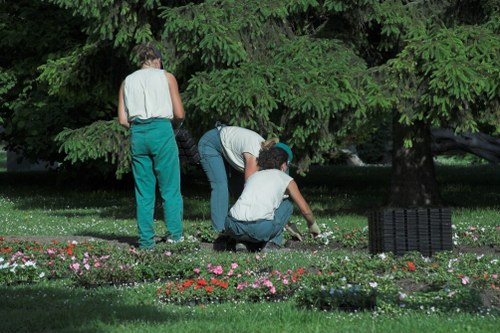 When you raise an issue, we treat it seriously and seek a practical resolution. Our aim is to acknowledge receipt quickly, investigate efficiently and communicate clearly. Wherever possible we try to rectify issues at first contact, but some matters require a short investigation to establish facts and identify effective remedies. We apply the same standards across all locations served by our gardening company to ensure consistency and fairness.
How to Make a Complaint
Complaints can be made verbally or in writing by the person affected or an authorised representative. When describing the issue, please include the date(s), the nature of the problem, and any relevant reference such as the job number or invoice if available. Providing photographs or sketches can speed up the assessment. We record every complaint, the relevant details and the requested outcome, and we treat all personal data in line with privacy principles.Initial Acknowledgement and Timeframes
On receiving a complaint we will acknowledge it within a short, stated period. Acknowledgement confirms receipt and outlines the next steps, who will manage the matter, and an expected timeframe for a full response. Typically, simple issues are resolved within 5–10 business days, while more complex investigations may take longer. If extra time is needed, we will explain why and provide an updated completion estimate. We prioritise urgent concerns such as safety hazards or environmental risks. In those cases, immediate steps are taken to secure the site while the investigation continues. For standard quality or service disputes, the process includes fact-finding, review of contractual or service agreements, and practical proposals for remedy where appropriate.
Investigation involves a review by a manager or designated complaints handler who was not directly responsible for the original work where feasible. That person will gather evidence, speak to staff involved and, when helpful, seek the client’s input on proposed remedies. Our goal is an objective assessment and a practical offer to put things right that could include rework, partial refund, discount on future services, or other corrective measures tailored to the situation.
Throughout the process we keep records of key decisions, actions taken and communications. These records allow us to identify trends in service issues and drive improvements across our Cranford garden maintenance teams. Continuous improvement is built into our complaints handling so the same problem is less likely to recur.
We also provide information on options if the complainant is not satisfied with the outcome. This may include internal review by a senior manager or the option to pursue independent dispute resolution where appropriate. Our aim is to resolve matters without escalation, but we recognise that further review can be necessary in a minority of cases.
To support clear expectations we publish typical timescales for each stage and explain the types of remedies available. Examples include redoing specified work to agreed standards, issuing partial rebates where work was unsatisfactory, or offering corrective visits. Remedies are proportionate and focused on restoring the garden to the agreed standard and on maintaining trust between clients and our gardening teams.
Our staff receive training in customer care and complaint handling to ensure they respond professionally and empathetically. We encourage early, open communication so most concerns are addressed informally and swiftly. Where informal resolution is not possible, the formal process documented here applies and is managed consistently by our complaints team.
 Records of complaints are retained securely for a reasonable period to support accountability and to inform service planning. We review resolved complaints periodically to identify systemic issues and to update procedures or training. This helps our Cranford garden contractors maintain high standards and align with best practice in service delivery.
 Final decisions are communicated in writing, stating the outcome, reasons and any remedy offered. We aim to be transparent about how conclusions were reached and to provide clear next steps if the complainant wishes to seek further review. Fairness and impartiality are at the core of our process, and we commit to learning from each case to enhance future gardening services.
When a complaint leads to a change in practice, we share the learning with operational teams and, where relevant, update our guidance documents. That may include adjusting scheduling practices, modifying task-check procedures, or refreshing quality-check routines to prevent recurrence.
Our complaints procedure is reviewed periodically to reflect legal and industry developments. This ensures our handling of complaints about Gardening Cranford or Cranford gardening services remains robust, consistent and focused on practical resolution and continuous improvement. Thank you for helping us maintain high standards by bringing concerns to our attention.