Cranford gardeners pollinator friendly front gardens Staines Road
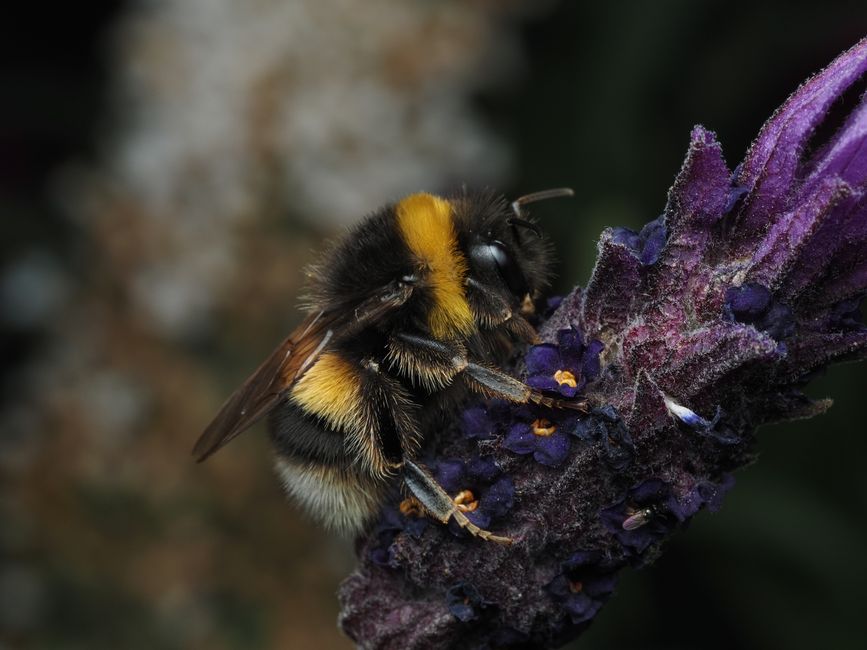
If you are looking at a front garden on Staines Road and thinking it could do more than just sit there, you are not alone. Many homeowners in Cranford want a space that looks cared for, feels welcoming, and quietly helps bees, butterflies, hoverflies, and other useful insects. That is exactly where Cranford gardeners pollinator friendly front gardens Staines Road comes in: practical planting, sensible layout, and a design that works in real life, not just on a sketchpad.
There is a nice balance to get here. You want something attractive from the pavement, but you also want plants that feed pollinators through the seasons, cope with local conditions, and do not turn into a constant maintenance headache. To be fair, that is the tricky bit. This guide walks through the why, the how, and the little details that make the difference between a garden that merely looks "green" and one that actually performs.
By the end, you will know how to plan a front garden that suits Cranford homes, supports wildlife, and still feels tidy enough for day-to-day living. Simple idea, really. The execution just needs a bit of thought.
- Why this matters in Cranford
- How a pollinator-friendly front garden works
- Key benefits and practical advantages
- Who it is for
- Step-by-step guidance
- Expert tips
- Common mistakes
- Tools and recommendations
- Law, compliance, standards, or best practice
- Options and comparison
- Real-world example
- Practical checklist
- Conclusion
- Frequently asked questions
Why Cranford gardeners pollinator friendly front gardens Staines Road Matters
Front gardens do a lot of quiet work. They shape the first impression of a home, soften hard paving, and give a street its character. On a busy road like Staines Road, that matters even more, because the garden is seen constantly by passers-by, neighbours, delivery drivers, and anyone walking past with a dog or a pram. A pollinator-friendly design makes that space feel alive rather than purely decorative.
Pollinators need more than a few bright flowers in summer. They need a sequence of nectar and pollen sources across the year, shelter from wind, places to rest, and planting that avoids the "all show, no substance" trap. A front garden can provide all of that without looking wild or unmanaged. In fact, when it is done well, it tends to look more considered than a plain lawn or a row of tired shrubs.
There is also a practical local angle. Cranford gardens often have to deal with road dust, compacted soil, partial shade from buildings or hedges, and the usual pressure to keep things neat. So the answer is rarely to fill every inch with high-maintenance exotics. The better approach is to choose resilient, layered planting with flowers that work hard and still look good from the kerb.
And let's be honest: a front garden that buzzes in spring and hums lightly on a warm July morning just feels better. You notice it when you come home. Small thing, maybe. But it lifts the whole place.
How Cranford gardeners pollinator friendly front gardens Staines Road Works
A pollinator-friendly front garden works by combining three things: flowers, structure, and continuity. Flowers provide nectar and pollen. Structure provides shelter, height, and visual order. Continuity ensures something useful is happening in the garden from early spring right through to late autumn.
In practice, that means mixing plant types instead of relying on one season of colour. Think early bulbs, spring perennials, summer blooms, and late-season nectar plants. Add evergreen structure or compact shrubs, and you create a garden that feels full across the year. That is especially useful in a front garden, where bare patches can look unfinished very quickly.
The layout matters just as much as the planting. Beds need to be deep enough to hold a proper root zone, pathways need to stay clear, and any edges should be crisp. Pollinator gardens do not need to look messy. In fact, the neatest ones usually perform best because the design is intentional. A simple border with layered heights often works better than a scatter of random pots.
For many Cranford homes, front gardens also have to manage parking, bins, gates, and visibility. So the design should be realistic. A good gardener will look at sight lines, drainage, sun exposure, and how the space is used each day. That part is not glamorous, but it stops problems later. You do not want to fall in love with a planting scheme that collapses the moment the weather gets wet or the soil stays dry for two weeks.
One small but important point: pollinator-friendly does not mean leaving everything to chance. It means choosing plants with a purpose and maintaining them in a way that keeps them healthy. That is the difference between a nice idea and an actually useful garden.
Key Benefits and Practical Advantages
The biggest benefit is obvious: you support wildlife. Bees, butterflies, and hoverflies all get food and shelter, and your garden becomes part of a larger network rather than an isolated patch. But there are several other advantages that people often underestimate.
- Better kerb appeal: a thoughtfully planted front garden looks cared for without needing excessive decoration.
- Longer seasonal interest: with the right mix, the garden has something going on in more than one month.
- Lower maintenance over time: once established, well-chosen perennials and shrubs can be easier than replanting bedding every season.
- Improved drainage and soil health: planting beds often perform better than over-paved spaces.
- More privacy and softness: layered planting can reduce the hard, exposed feel of a front plot.
- Better resilience: plants suited to the site usually cope better with dry spells, shade, or roadside exposure.
There is also a subtle social benefit. A neat, pollinator-friendly frontage can change how a street feels. It signals care. It can even nudge neighbours to improve their own gardens a little, which is a nice side effect. No grand claims, just a real one.
If you are deciding whether this is worth doing, ask yourself a simple question: would you rather look at a space that needs constant tidying, or one that stays visually interesting and contributes something useful? Most people know the answer pretty quickly once they picture it properly.
Who This Is For and When It Makes Sense
This approach makes sense for a wide range of homeowners and landlords in Cranford, especially where the front garden is visible from the street and has enough light for planting. It is a particularly good fit if you want a garden that feels welcoming but not overdone.
It suits you if:
- you want a smarter front garden without relying on paving alone;
- you like wildlife-friendly planting but still want a tidy finish;
- your current front garden is sparse, tired, or too hard-landscaped;
- you are replacing a patchy lawn, awkward border, or underused driveway edge;
- you want a lower-input garden after years of too much mowing and not enough reward.
It may also be right if you are preparing a property for sale or rent. A front garden that looks healthy and well planned can improve the feel of the whole frontage. Not because buyers or tenants are counting flowers, but because a place that looks looked after tends to feel easier to trust.
There are times when it makes less sense. If the area is almost entirely shaded, heavily trafficked, or you need uninterrupted parking, then the planting strategy should be adjusted. Sometimes a smaller, tougher scheme is smarter than trying to force a full cottage-garden look into the space. Truth be told, restraint often produces the better result.
Step-by-Step Guidance
Here is a practical way to approach a pollinator-friendly front garden without overcomplicating it.
- Assess the site honestly. Look at sun, shade, soil quality, drainage, exposure to wind, and how people move through the space. Stand there at different times of day if you can. Morning light can be very different from late afternoon.
- Decide what the garden must do. Is it mainly for curb appeal? Do you want a small path, a bed, screening, or a better transition from pavement to front door? Clarify the job first.
- Keep a simple structure. A clean edge, one or two main beds, and a limited plant palette often looks far better than trying to cram everything in.
- Choose plants for succession. Use early, mid, and late flowering species so pollinators are supported across the growing season.
- Mix heights and textures. Low groundcovers, mid-height perennials, and a few compact shrubs create depth without making the frontage feel crowded.
- Build soil before planting. Good planting starts below the surface. Add compost where needed, remove compacted material, and improve drainage if the soil is holding too much water.
- Mulch and water properly. A mulch layer helps retain moisture and suppress weeds. Newly planted areas usually need more care in the first season than people expect.
- Review after the first year. Some plants will thrive, some will sulk, and one or two may need replacing. That is normal. A garden is not a spreadsheet; it breathes a bit.
A sensible design often starts with one strong bed rather than four mediocre ones. You can always expand later. That slower approach saves money and avoids the "too much, too soon" problem that catches people out.
Planting approach that usually works well
In a typical Cranford front garden, a layered scheme is often the most dependable. You might use compact flowering shrubs for structure, perennial plants for repeated colour, and spring bulbs for an early start. If space is tight, containers can help, but they should not carry the whole design. Pots are useful, yes, though they dry out quickly and need more attention than many people expect on a warm spell.
Expert Tips for Better Results
Small adjustments can make a garden much more effective, and this is where experienced gardeners earn their keep.
Go for repeated forms, not random variety. A few plant types repeated in groups usually looks better than a scattered mix of one of everything. Pollinators also find grouped flowers easier to work.
Choose plants with different flower shapes. Flat-topped flowers, tubular blooms, and open daisy-type flowers attract different insects. Variety matters, but not in a chaotic way.
Use evergreen anchors. A front garden needs shape in winter. Evergreen structure stops the plot from collapsing visually when the flowers are gone.
Think about edges and lines. The neat edge between paving and planting can do a lot of heavy lifting. It makes the whole space feel intentional. A bit of trimming goes a long way, honestly.
Leave a little habitat value. A modest patch of leaf litter, a hollow stem left over winter, or a sheltered corner can help beneficial insects without making the garden look untidy.
Match plant size to the space. A lovely plant in the wrong place becomes a problem. Overgrown shrubs near paths or windows are one of the most common regrets.
Plan for maintenance early. If you do not have time for frequent deadheading or watering, build the design around lower-input plants from the start.
Expert summary: The best pollinator-friendly front gardens are usually not the wildest ones. They are the most thoughtful ones - clear structure, reliable planting, and enough seasonal variety to keep the space useful for wildlife and pleasant for people.
One more thing: do not obsess over making every inch "perfect" in year one. The better gardens settle in gradually. They get richer, a bit fuller, a bit softer around the edges. That is often when they start to feel genuinely good.
Common Mistakes to Avoid
It is surprisingly easy to build a front garden that looks good for a month and then becomes annoying. Here are the common traps.
- Using only bedding plants: they can look great briefly, but the garden may need redoing every season.
- Planting for colour only: pollinators need nectar and pollen, not just bright petals.
- Ignoring soil conditions: if the soil is poor or compacted, many plants will struggle no matter how attractive they look in the nursery.
- Choosing plants that grow too large: front gardens get tight fast. Oversized plants soon block windows, paths, or visibility.
- Over-paving the space: too much hard landscaping can reduce ecological value and make the front feel stark.
- Forgetting winter structure: a garden that only works in summer is disappointing for half the year.
- Overwatering or underwatering new plants: either can set them back. The first season matters a lot.
Another common mistake is treating maintenance as an afterthought. A beautiful planting plan that no one can keep up with is just a future problem in disguise. Better to choose fewer, tougher plants than to go all-in on something fragile. That sounds obvious, but people still do it. Every week.
Tools, Resources and Recommendations
You do not need a huge kit to create a good pollinator-friendly front garden, but the right basics make the work smoother.
- Hand fork and trowel: useful for planting and loosening compacted soil.
- Sharp secateurs: for tidy pruning and deadheading.
- Garden rake: handy for levelling mulch and clearing loose debris.
- Watering can or hose with a gentle rose: ideal for new planting without washing soil away.
- Compost or soil improver: helps establish young plants.
- Mulch: keeps moisture in and reduces weeds.
If you are planning something larger, it can help to work from a wider landscaping picture rather than seeing the front garden in isolation. A carefully designed frontage often sits best alongside other changes, such as better access, new borders, or improved paving. For broader ideas about layout and hardscape balance, you may want to look at landscape gardening and the wider services overview. If the space needs tidying before planting begins, garden clearance can also be a practical starting point.
Maintenance support matters too. A garden that is planted well still needs seasonal attention, and that is where ongoing garden maintenance can keep everything on track. For homeowners comparing options, it is also sensible to review pricing and quotes so you can plan realistically instead of guessing.
And if sustainability is part of your brief, take a look at recycling and sustainability. It is a useful reminder that a healthy garden is not just about what you plant, but also how you manage waste, materials, and upkeep over time.
Law, Compliance, Standards, or Best Practice
For front gardens in Cranford, the main compliance concerns are usually practical rather than dramatic. You want to avoid blocking sight lines, interfering with access, or creating hazards near a public pavement. If you have trees, larger shrubs, or structural changes in mind, it is sensible to think carefully about root spread, visibility, and how mature planting will affect the frontage later on.
Where hard landscaping is involved, good workmanship and safe installation matter. Even a small front garden should be planned with drainage and surface stability in mind, especially if the area is used every day and exposed to winter wet weather. That is one reason homeowners often treat planting and hard surfaces as one joined-up project rather than separate jobs.
For professional work, it is reasonable to expect attention to safety, insurance, and clear communication. If you are comparing gardeners or landscapers, look for plain-language explanations of how they manage site safety, waste handling, and working practices. Helpful reference points on the website include health and safety policy, insurance and safety, and the terms and conditions. Those pages are not just formalities; they help you understand what a professional service is setting out to do.
If you ever need to check how information is handled, the privacy policy and cookie policy are there as standard. And if something is not right, a proper complaints procedure is part of good service rather than an awkward extra. Small point, but an important one.
Options, Methods, or Comparison Table
There is more than one way to create a pollinator-friendly front garden. The best choice depends on how much space you have, how much maintenance you want, and how formal you want the finish to feel.
| Approach | Best for | Pros | Trade-offs |
|---|---|---|---|
| Mixed perennial border | Front gardens with moderate space | Good seasonal interest, reliable for pollinators, lower upkeep once established | Needs planning and some patience in the first year |
| Container-led design | Small spaces or paved fronts | Flexible, easy to rearrange, useful where soil is limited | Drier in summer, more watering, less habitat value than in-ground planting |
| Shrub-and-perennial scheme | Homes needing structure and year-round shape | Good winter presence, tidy look, strong framework | Can feel heavy if shrubs are oversized or badly spaced |
| Wildlife-focused naturalistic planting | Larger front plots or softer streetscape settings | Excellent for biodiversity, long flowering season, relaxed feel | May need more careful edging to avoid looking unkempt |
For most Staines Road frontage projects, the mixed perennial border or shrub-and-perennial route is the safest middle ground. It gives you enough structure for a neat street-facing finish while still supporting insects well. Containers can complement the design, but they work best as part of the plan rather than the whole thing.
Case Study or Real-World Example
Here is a realistic example. A typical Cranford front garden might start as a plain strip of lawn with a narrow border, a few tired shrubs, and soil that has become compacted over time. It looks fine in winter, a bit bare in spring, and then a little messy by late summer because nothing is really doing a proper job.
The transformation does not need to be dramatic. The first step could be clearing the weak growth, improving the soil, and redesigning the bed to include compact lavender, salvias, geraniums, nepeta, and a few spring bulbs for early colour. Add a small evergreen shrub for shape, plus a neat edge to separate planting from the path. The result is not flashy. But it feels alive, and it stays presentable.
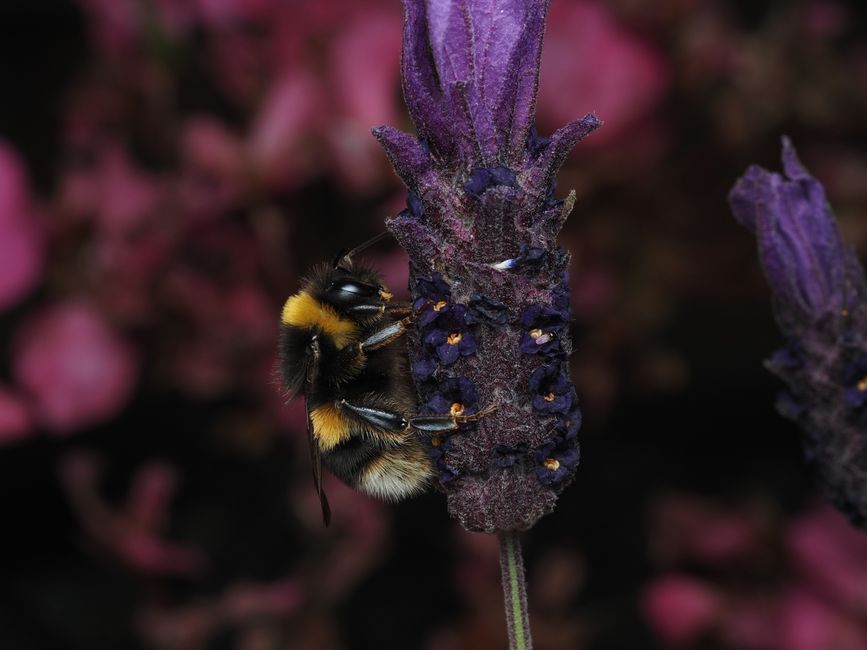
In the first season, the garden might look slightly sparse, which is normal. By the second season, the plants fill in, the flowers overlap more naturally, and you start to notice bees moving through the border on warm mornings. You may even hear that soft, low buzz from the flowers near the front step. Not dramatic, just pleasant. Very pleasant, actually.
The real success is that the garden becomes easier to live with. Less guesswork. Less patchiness. More structure. And the frontage begins to feel like part of the home rather than a forgotten strip in front of it.
Practical Checklist
Use this checklist if you want a straightforward way to judge whether your front garden plan is ready.
- Have you checked how much sun and shade the space gets?
- Do you know whether the soil drains well or stays wet?
- Have you chosen plants that flower in different seasons?
- Is there enough evergreen structure for winter?
- Will the garden still look tidy from the street?
- Have you avoided overcrowding the space?
- Is there a clear edge between planting and paths or parking areas?
- Do you have a plan for watering new plants in the first season?
- Have you allowed space for future growth, not just the day of planting?
- Have you considered maintenance time honestly?
Quick tip: if you are unsure about any one of those points, pause and simplify the design. Fewer plants, better placed, is usually the smarter move. Really.
Get a free quote today and see how much you can save.
Conclusion
A well-planned pollinator-friendly front garden is one of those improvements that quietly pays you back every time you come home. It makes the street view softer, supports wildlife, and gives you a frontage that feels considered rather than thrown together. For Cranford homeowners on Staines Road, the best results usually come from balanced design: enough structure to stay neat, enough planting to feed pollinators, and enough realism to keep maintenance manageable.
If you take one thing from this guide, let it be this: a front garden does not need to be complicated to be valuable. It just needs the right plants in the right places, plus a bit of care while it settles in. After that, it starts doing the work itself. And that is a very satisfying thing to watch unfold.
Frequently Asked Questions
What makes a front garden pollinator friendly?
A pollinator-friendly front garden includes flowers that provide nectar and pollen across multiple seasons, plus shelter, water access where appropriate, and planting that is not constantly disturbed. The aim is steady food and habitat, not just one burst of colour.
Can a small front garden still help bees and butterflies?
Yes, absolutely. Even a small bed or a few well-chosen containers can support pollinators if the plants are selected well. Repeated planting in a compact space can still make a meaningful difference.
Do pollinator-friendly gardens have to look untidy?
No. A good design can be very neat. Crisp edges, repeated planting, and sensible structure keep the garden looking intentional while still supporting wildlife. Untidy is not the goal. Not at all.
Which plants usually work well in a Cranford front garden?
That depends on light and soil, but many people do well with a mix of compact perennials, lavender-style plants, salvias, geraniums, nepeta, and spring bulbs. The exact choice should match the site rather than forcing a trend into place.
How much maintenance does a pollinator-friendly front garden need?
Usually less than a high-bedding display once it is established, but the first year matters. You will still need watering, occasional feeding, weeding, and light pruning. After that, maintenance often becomes more seasonal than weekly.
Is it better to use pots or in-ground planting?
In-ground planting generally offers better root space and habitat value. Pots are useful where space is tight or the ground is unsuitable, but they dry out faster and need more attention. A mix of both can work well.
Can I keep some lawn in a pollinator-friendly front garden?
Yes, if it suits the space. But many homeowners find that reducing lawn area and replacing part of it with planting beds gives better wildlife value and more visual interest. It depends on your priorities.
Will this kind of garden affect kerb appeal?
Done well, it usually improves it. Buyers and visitors often respond to a frontage that looks cared for, balanced, and alive. The key is keeping the design tidy and coherent rather than overly busy.
Do I need planning permission for front garden changes?
Most simple planting changes do not raise planning issues, but larger structural work, hard surfacing, or anything affecting access and drainage may need more thought. If in doubt, it is sensible to check carefully before starting.
How do I stop a pollinator garden from becoming overgrown?
Choose plants with a mature size that fits the space, keep edging tidy, divide or trim perennials when needed, and review the layout each year. A little maintenance goes a long way. A very long way, actually.
What is the best time of year to start?
Autumn and spring are often good planting windows, depending on weather and plant type. Autumn planting can help roots settle before summer heat, while spring gives a fresh start and clearer visibility of the site.
Can a professional gardener help with the design as well as the planting?
Yes. A good gardener or landscaper can help with layout, soil preparation, planting choice, and ongoing care. If you want a garden that looks good and works properly, design and maintenance are best treated as part of the same conversation.
Is a wildlife-friendly front garden hard to keep neat?
Not if the structure is planned well. The neatest results usually come from simple forms, repeated plants, and regular light upkeep rather than constant reworking. It is more about discipline than difficulty.
Where should I start if the front garden is currently bare or tired?
Start with the basics: clear unwanted material, assess soil, decide the shape of the beds, and choose a limited set of reliable plants. If you want a faster route, a professional can help turn a blank or neglected space into a workable planting plan without the guesswork.