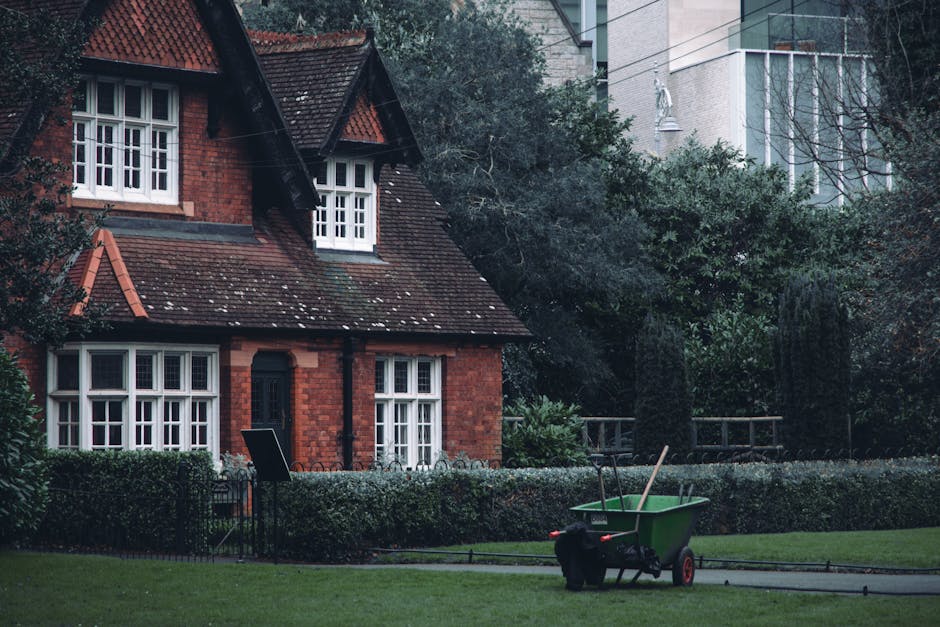
Top Cranford gardening services near Cranford Park for homes
If your garden in Cranford has started to feel a bit too much like a weekend job that never ends, you are not alone. Between overgrown hedges, patchy lawns, slippery paths, and the usual British weather doing its thing, keeping a home garden tidy near Cranford Park can quickly slide down the list. That is where Top Cranford gardening services near Cranford Park for homes come in: practical, local help that keeps outdoor spaces looking cared for without turning your week upside down.
In this guide, we will look at what those services usually include, how they work in a real home setting, what to compare before you book, and the little details that make a big difference. You will also find a checklist, a comparison table, and a few no-nonsense tips that help you choose with confidence. Let's face it, a good garden service should make life easier, not add another layer of faff.
For a broader view of what is typically available, you may want to start with the services overview. If you are already thinking about cost, the pricing and quotes page is a sensible next stop.
Table of Contents
- Why Top Cranford gardening services near Cranford Park for homes Matters
- How Top Cranford gardening services near Cranford Park for homes Works
- Key Benefits and Practical Advantages
- Who This Is For and When It Makes Sense
- Step-by-Step Guidance
- Expert Tips for Better Results
- Common Mistakes to Avoid
- Tools, Resources and Recommendations
- Law, Compliance, Standards, or Best Practice
- Options, Methods, or Comparison Table
- Case Study or Real-World Example
- Practical Checklist
- Conclusion
- Frequently Asked Questions
Why Top Cranford gardening services near Cranford Park for homes Matters
Homes near Cranford Park often deal with a mix of mature planting, seasonal leaf fall, shaded lawns, and the usual pressures of busy residential living. Some gardens are compact and need clever maintenance to stay usable. Others are larger and quietly become a full-time task if they are left alone for even a few weeks. A local gardening service matters because it helps keep the garden safe, attractive, and manageable without you having to spend every spare Saturday out there with a mower and a trowel.
There is also a practical side that people often overlook. A garden that is regularly maintained is usually easier and cheaper to care for over time. Weeds do not get such a head start. Hedges stay in shape. Paths are less likely to become slippery. And if you ever want to sell or let the property, first impressions count. A tidy front garden says something before anyone even gets to the front door.
Near parks and green corridors, gardens can also attract more leaf litter, bird droppings, and seasonal growth surges. That is lovely in some ways. The birds, the greenery, the sense of space. But not so lovely when your borders have disappeared under a tangle of growth. A good local gardener understands those conditions and works with them, not against them.
Expert summary: For most homes near Cranford Park, the real value of a gardening service is consistency. Small, regular jobs usually prevent the bigger, more expensive ones later on.
How Top Cranford gardening services near Cranford Park for homes Works
Most domestic gardening services follow a simple pattern: assess, plan, maintain, and tidy up. The detail depends on the size of your garden and what needs doing, but the basic process is pretty similar across the board.
1. Initial discussion
You explain what the garden is like and what has been bothering you. Maybe the lawn is uneven. Maybe the hedge has grown too broad. Maybe you have inherited a garden that looks fine from the window but is actually a bit wild once you step outside. A good provider will ask about access, pets, water taps, waste removal, and whether you want a one-off visit or a regular schedule.
2. Site visit or quote review
For many homes, a site visit is the clearest way to get an accurate picture. It is hard to quote sensibly for a border that is hiding all sorts of surprises. A proper quote should explain what is included and what is not, rather than leaving you to guess. If you want more detail on this stage, the contact page is the simplest way to ask questions directly.
3. Work planning
Jobs are usually grouped into maintenance, improvement, or clearance. Maintenance covers recurring tasks like mowing, edging, pruning, and weeding. Improvement might involve reshaping beds, refreshing mulch, or sorting a tired-looking corner. Clearance is more intensive and is often needed if a garden has been neglected for a while.
4. The actual garden work
This is the part where the garden starts to breathe again. The lawn gets cut cleanly, edges are redefined, overgrowth is reduced, and debris is removed. In a good service, the finish matters. You want a garden that looks intentionally cared for, not just "less bad than before".
5. Waste handling and follow-up
After the work, green waste should be dealt with sensibly. If the provider offers eco-conscious disposal or recycling, that is a bonus. You can learn more about responsible handling on the recycling and sustainability page. It is also worth asking whether the team recommends a follow-up visit, especially after a heavy season of growth.
A small but useful point: gardens around homes often need different rhythms than commercial spaces. You are not trying to create a public showpiece. You want something pleasant, functional, and not too demanding. That changes the way the work is planned.
Key Benefits and Practical Advantages
The best reason to book a local gardening service is simple: it saves time. But there is more to it than that. Once you look closer, the benefits become very practical.
- Consistent presentation: Regular maintenance prevents the "fine one week, chaos the next" problem.
- Better plant health: Pruning at the right time and removing dead material helps plants recover and grow properly.
- Improved safety: Clear paths, trimmed hedges, and managed surfaces reduce trip hazards and awkward corners.
- Less waste of effort: A few targeted visits can be more effective than one huge DIY clear-out every few months.
- More usable outdoor space: Lawns, patios, and borders become places you can actually enjoy.
- Local knowledge: Gardeners familiar with Cranford conditions are more likely to understand what thrives, what struggles, and when seasonal jobs need doing.
There is also a quieter benefit that people talk about less. A well-kept garden can make the whole house feel calmer. You open the back door and, instead of seeing a list of chores, you see something workable. That matters more than people admit.
Who This Is For and When It Makes Sense
Top Cranford gardening services near Cranford Park for homes make sense for a wide range of households, but they are especially useful if you are in one of these situations:
- Busy professionals: You want a neat garden without sacrificing your weekends.
- Families: Outdoor spaces need to stay safe, usable, and not full of mystery thorns.
- Older homeowners: Heavy or repetitive garden work can become physically difficult.
- Landlords and letting agents: Presentation matters between tenancies, and gardens can become a weak spot fast.
- New homeowners: You may need help understanding what is already planted and what needs urgent attention.
- People returning after a period away: Sometimes a garden simply gets away from you. No shame in that. It happens.
It also makes sense if you are planning to sell, entertain more often, or simply want a garden that feels under control before spring and summer arrive. Truth be told, most people do not call a gardener because they want a perfect show garden. They call because they want their space back.
Step-by-Step Guidance
If you are deciding how to approach garden maintenance near Cranford Park, this is the most practical route.
Step 1: List the real problems
Do not start with vague ideas like "make it nicer". Be specific. Is the lawn patchy? Are the hedges too tall? Are weeds coming through the paving? Is the front garden looking tired and overgrown? A clear brief makes the job easier and the quote more useful.
Step 2: Decide what is urgent and what can wait
Some things need immediate attention, especially if they affect access, safety, or plant health. Others are purely cosmetic. For example, a leaning shrub may need checking now, while a bed replant can wait until the right season. A good gardener should help you separate the two.
Step 3: Choose between one-off and regular maintenance
One-off visits suit neglected gardens, post-renovation clear-ups, or seasonal refreshes. Regular maintenance suits homes that need ongoing upkeep. If you are unsure, start with one visit and see how the garden responds over the next month or two. That usually tells you plenty.
Step 4: Ask what is included
This matters more than people think. Does the service include waste removal? Edge trimming? Hedge shaping? Sweeping paths? Light pruning? If it is not written down, ask. The aim is to avoid the classic "I thought that was included" moment. Nobody enjoys that conversation.
Step 5: Review timing and frequency
Weekly, fortnightly, monthly, or seasonal visits all have different effects. Lawns often benefit from more regular attention in the growing season. Hedges and shrubs may need less frequent but more skillful work. The right rhythm depends on the garden, not a generic rule.
Step 6: Keep a simple record
Note what was done and when. It sounds fussy, but it helps with repeat visits, budgeting, and spotting patterns such as recurring weeds or drainage issues. A couple of lines in your phone is enough. No need to build a spreadsheet unless that is your thing.
Expert Tips for Better Results
Here are the things that tend to separate a decent garden job from a genuinely good one.
- Work with the season, not against it. Cutting too hard at the wrong time can stress plants, while waiting too long can make everything tougher.
- Keep some structure. Even a low-maintenance garden needs clear edges, defined beds, and a sense of shape.
- Do not ignore drainage clues. Patches that stay wet, mossy areas, or sinking paving are signs worth paying attention to.
- Ask for a maintenance plan. A light monthly approach is often better than constant rescue work.
- Be honest about budget. A good provider can often prioritise the most valuable work first.
- Choose cleaning up over over-cutting. In many home gardens, neatness is more useful than aggressive tidying.
One small observation from plenty of home gardens: the front garden is often the difference between a property that feels looked after and one that feels neglected. If you can only tackle one area first, start there. It has a surprisingly big effect.
And yes, hedges always look smaller in your head than they do once the ladder comes out. Always.
Common Mistakes to Avoid
Garden work is one of those jobs where small mistakes can quietly become expensive or annoying later. A few common ones stand out.
Only booking when things are already out of control
By the time a garden is heavily overgrown, the work takes longer and usually costs more. Regular care is almost always easier.
Choosing on price alone
The cheapest quote can look attractive, but the important question is what you are actually getting. A low price without waste removal, clear communication, or proper finish can end up costing more in frustration.
Cutting everything back at once
Hard pruning has its place, but doing too much, too quickly can damage growth and leave your garden looking bare or stressed.
Ignoring access and logistics
Can a mower fit through the side passage? Is there somewhere for waste bags? Is parking difficult near your home? These details matter more than you think, especially on tighter residential streets.
Not checking safety or insurance
Any work involving tools, ladders, sharp edges, or tree and hedge cutting should be handled with care. A provider should be comfortable discussing safety and how they work on site. For more on this, see the insurance and safety information and the health and safety policy.
Leaving the garden plan to memory
If you have specific preferences, write them down. "Don't cut the lavender too hard." "Keep the back path clear." "Leave the foxgloves until they finish." These little notes save a lot of confusion.
Tools, Resources and Recommendations
You do not need to know every gardening tool in existence to hire well, but it helps to understand the basics. A reliable home gardening service will usually work with a sensible mix of:
- lawn mowers and strimmers for grass and edges
- secateurs and loppers for pruning
- hedge cutters where trimming is needed
- hand tools for borders, weeds, and detail work
- waste sacks or removal systems for green waste
- simple plant supports, ties, and mulch materials where appropriate
What matters more than the tool list is how the service uses them. A well-sharpened blade and careful technique can make a bigger difference than fancy equipment. Garden tools should help, not intimidate.
If you are comparing providers, this is also a good time to check the company background and values. The about us page can help you understand how the business presents itself, while the recycling and sustainability page is useful if you care about waste handling and lower-impact working habits.
For customers who want to understand how enquiries, payments, and general terms are handled, the payment and security and terms and conditions pages are worth a quick read. A bit dry, yes, but useful. The unglamorous pages are often the ones that save you a headache later.
Law, Compliance, Standards, or Best Practice
For domestic gardening work, the most important thing is not a pile of jargon. It is safe, lawful, and sensible practice. That includes careful use of tools, responsible waste handling, and avoiding damage to property or neighbouring gardens.
In the UK, it is normal for a professional service to have clear policies around safety, insurance, privacy, complaints, accessibility, and secure payment handling. These do not just exist for show. They help set expectations and give you a better sense of professionalism. If a company is transparent about these things, that is generally a good sign.
Homeowners should also think about neighbours, shared boundaries, and access. If hedges sit on or near boundary lines, it is worth discussing them clearly before work starts. The same goes for using shared drives or side gates. It keeps everyone happier, which sounds obvious, but you would be surprised how often it gets messy.
If the garden work involves significant waste removal, ask how it is handled and whether recyclable green waste is separated where possible. Sustainable handling is not just a buzzword; it is a sensible way to reduce unnecessary disposal. You can see the approach outlined on the recycling and sustainability page.
A final note: if anything feels unclear, ask. A trustworthy provider should be able to explain what they will do, how they will do it, and what happens if the job changes once they see the garden properly.
Options, Methods, or Comparison Table
When you are comparing gardening support for a home near Cranford Park, the main choice is usually between one-off, regular, and project-based work. Each has its place.
| Option | Best for | Typical strengths | Things to watch |
|---|---|---|---|
| One-off visit | Overgrown gardens, seasonal reset, or urgent tidying | Quick improvement, useful for problem areas | May not prevent regrowth if follow-up is needed |
| Regular maintenance | Busy homes that want the garden to stay under control | Consistency, easier upkeep, smoother presentation | Requires ongoing budget and scheduling |
| Project-based work | Redesigns, border refreshes, or larger improvements | Good for visible change and longer-term planning | May take more coordination and a larger brief |
For many households, the sweet spot is often a mix: one strong initial tidy-up, then lighter ongoing visits. That way the garden gets back to a manageable baseline before routine maintenance kicks in. It is a bit like sorting a messy kitchen. First you clear the counters, then you keep them clear.
Case Study or Real-World Example
Here is a realistic example based on a common home-garden situation, not a flashy makeover story. A family living near Cranford Park had a back garden that looked fine from indoors but had slowly become difficult to use. The lawn had patches, the borders were overrun with weeds, and the hedge along the rear fence had begun to block light from the patio.
They did not need a full redesign. They needed a sensible reset.
The first visit focused on clearance, edging, and a proper cut-back of the worst overgrowth. The second visit dealt with shaping, border definition, and removing the remaining debris. After that, they moved to a lighter maintenance schedule. Nothing dramatic. Just enough to stop the garden slipping backwards.
What changed most was not just appearance. It became easier to open the doors, let the children out, and use the patio for a cup of tea in the late afternoon. Small thing, maybe. But those small things are exactly why good gardening work matters. A garden should feel like part of the home, not a separate project you keep avoiding.
Practical Checklist
Use this before you book or before your first visit.
- List the exact jobs you want done.
- Decide whether you need one-off help or regular maintenance.
- Check whether waste removal is included.
- Ask about hedge cutting, pruning, lawn care, and edging if relevant.
- Confirm access, parking, and any gate or pet arrangements.
- Share any plants that should not be cut back hard.
- Ask how the team handles safety and insurance.
- Review pricing, timing, and what happens if the scope changes.
- Consider sustainability and waste handling preferences.
- Keep a simple note of what was done after the visit.
Quick takeaway: the best gardening service is not the one that promises the most. It is the one that understands your home, your garden, and the way you actually live in the space.
Conclusion
Finding Top Cranford gardening services near Cranford Park for homes is really about choosing a service that fits real life. Not just neat lawns and tidy hedges, but the messy, seasonal, practical reality of home ownership. The right gardener helps you stay ahead of growth, protect the value of your property, and enjoy your outdoor space without turning every month into a catch-up job.
Near Cranford Park, that often means a service that understands local conditions, works carefully around your home, and keeps things simple, clear, and reliable. If you take nothing else from this guide, let it be this: start with clarity, ask the right questions, and choose the people who make the garden feel easier, not harder. That is the good stuff.
Get a free quote today and see how much you can save.
If you want to learn more about the team behind the service, the about us page is a good place to start, and the contact us page is there when you are ready to talk through your garden needs. Sometimes the simplest next step is the best one.
Frequently Asked Questions
What do Cranford gardening services near Cranford Park usually include?
Most home gardening services include lawn care, hedge trimming, weeding, border tidying, pruning, and general garden maintenance. Some also offer waste removal, seasonal clearance, and light improvement work. Always check the scope before booking so you know exactly what is covered.
How often should a home garden be maintained?
It depends on the garden, but many homes benefit from fortnightly or monthly maintenance during the growing season. Smaller or slower-growing gardens may only need seasonal visits. If you are unsure, one initial tidy-up followed by a review is often the easiest way to decide.
Is it better to book a one-off visit or regular gardening maintenance?
If the garden has become overgrown, a one-off visit is a good reset. If you want the garden to stay neat without constant effort, regular maintenance is usually better value over time. A lot of homeowners start with one visit and then move onto a lighter ongoing schedule.
How do I know if a quote is fair?
A fair quote should be clear about what is included, how long the work is likely to take, and whether waste removal or specialist tasks are extra. If a price seems unusually low, ask what has been left out. Cheap is only useful if the job is complete.
Do gardening services remove waste?
Some do, some do not. It is one of the first things to confirm. Waste removal can make a big difference to convenience, especially after hedge cutting or clearance work. If sustainability matters to you, ask how green waste is handled too.
What should I prepare before the gardener arrives?
Move fragile items, unlock gates, note any plant areas you want preserved, and make sure the team can access the garden safely. If there are pets, parking limits, or tricky side entrances, mention those in advance. It makes the whole visit smoother.
Can gardening services help with neglected gardens?
Yes, many can. Neglected gardens often need a staged approach: clearance first, then shaping, then maintenance. It is usually better to tackle a badly overgrown space in phases rather than trying to do everything in one go.
Are local Cranford gardeners likely to understand the area's conditions?
Local gardeners are often more familiar with common garden conditions in the area, such as seasonal leaf fall, shade patterns, and the way certain plants behave in residential settings near green spaces. That local familiarity can make planning and maintenance more practical.
What are the signs of a good gardening service?
Look for clear communication, sensible pricing, attention to detail, safety awareness, and a willingness to explain what is and is not included. A good service should feel organised without being stiff about it. You want competence with a human touch.
Do I need to worry about safety or insurance?
Yes, it is sensible to ask. Gardening can involve ladders, sharp tools, slippery ground, and work near property boundaries. A professional provider should be able to discuss insurance and safety practices without making it awkward.
What if I have a small garden near Cranford Park?
Small gardens still benefit from maintenance, sometimes even more so because every square metre is visible. A compact space can look cluttered quickly, so neat edges, controlled planting, and regular light care can make a big difference.
How do I get started?
Start by listing the jobs that matter most, then contact a local provider to discuss timing, cost, and the best maintenance approach for your home. If you want to explore the wider service options first, the services overview and pricing and quotes pages are a practical place to begin.